



Group Businesses

Group Businesses


Group Businesses

Group Businesses

Group Businesses

Group Businesses
Group Success
The Heitkamp & Thumann Group owns, manages, and represents a dynamic portfolio of innovative Divisions and Business Units. These entities specialize in crafting precision components and delivering exceptional services. Operating globally while maintaining a local focus, we take pride in our ability to manufacture at scale, ensuring the delivery of top-tier products and services to our customers.
H&T Battery Components
H&T Battery Components Division is the world´s largest manufacturer of alkaline battery metal components and offers a comprehensive portfolio for the primary battery market. All products are manufactured using sophisticated, in-house developed machinery and tooling.

H&T Presspart
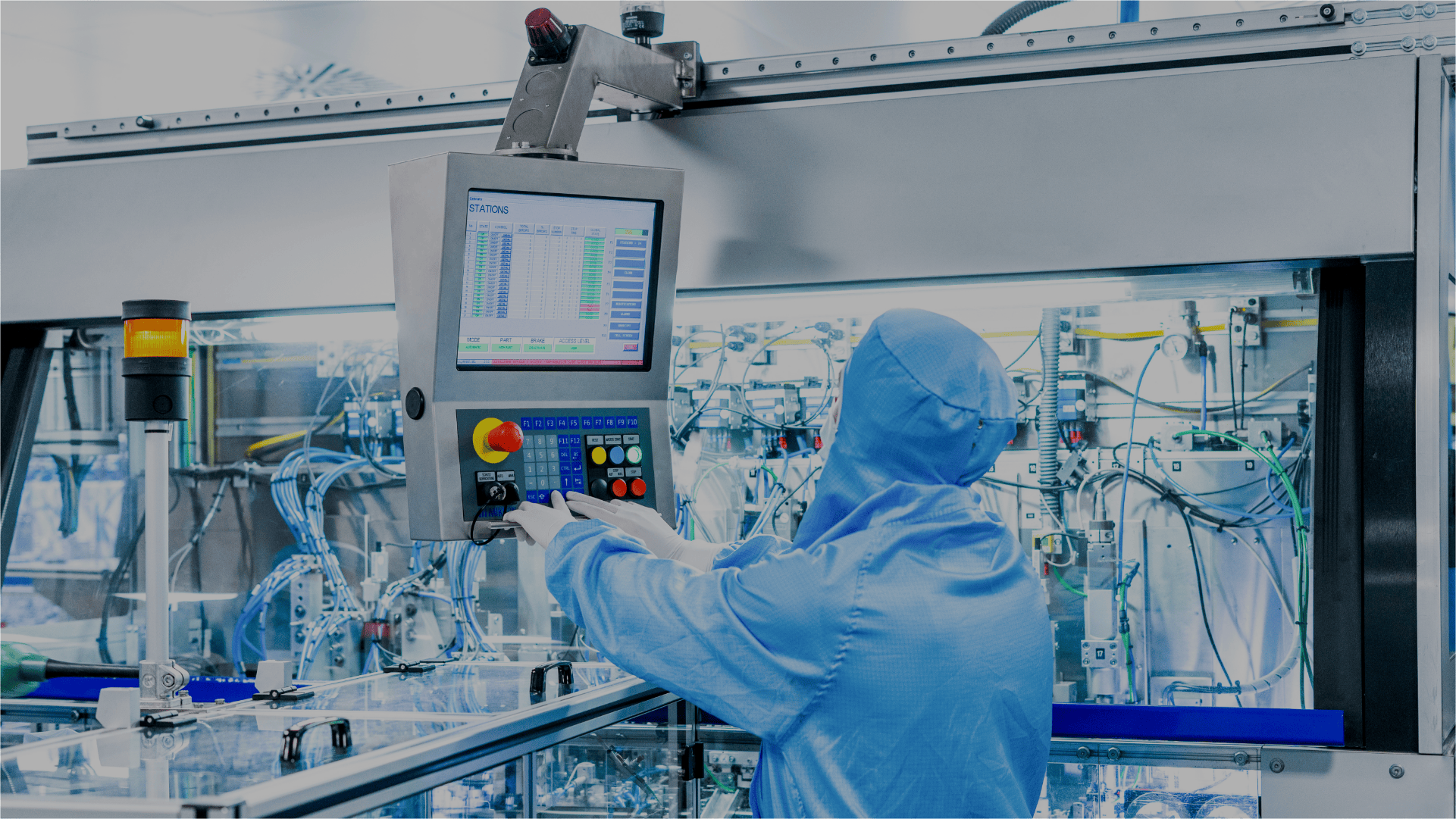
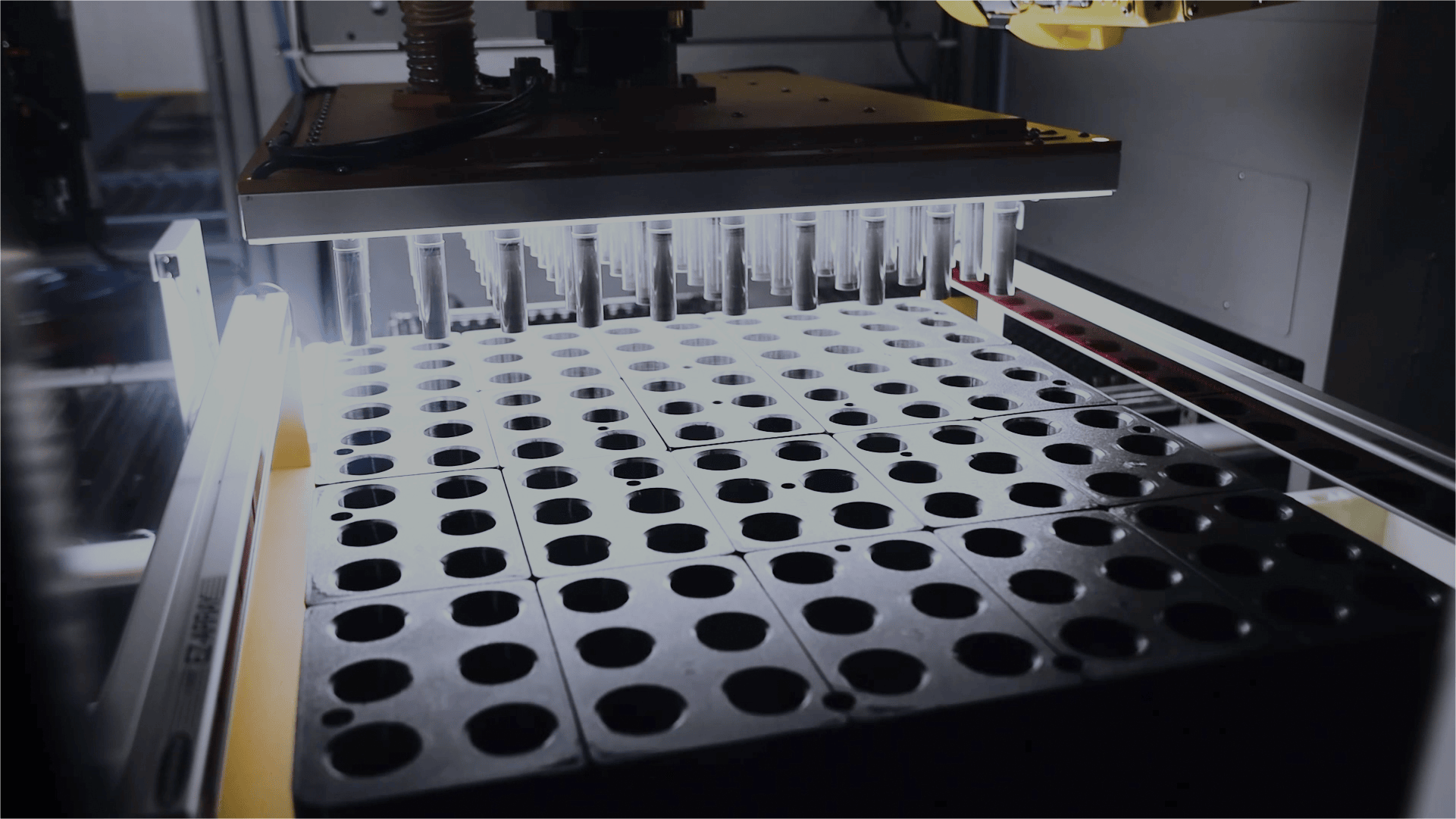
H&T Presspart is a world leader and specialist in manufacturing drug delivery devices and pharmaceutical components. With 50 years’ experience in partnering with the world’s leading pharma companies we have developed a strong reputation for precision and reliability – critically important when patients’ quality of life depends on our products.

H&T Recharge
H&T Recharge is one of the largest development partner and manufacturer of cylindrical cans for Lithium Ion batteries. Providing solutions for both automotive and non-automotive applications, H&T Recharge supports manufacturers serving the increasing cylindrical battery demand with a range of customized components.

H&T Industrial
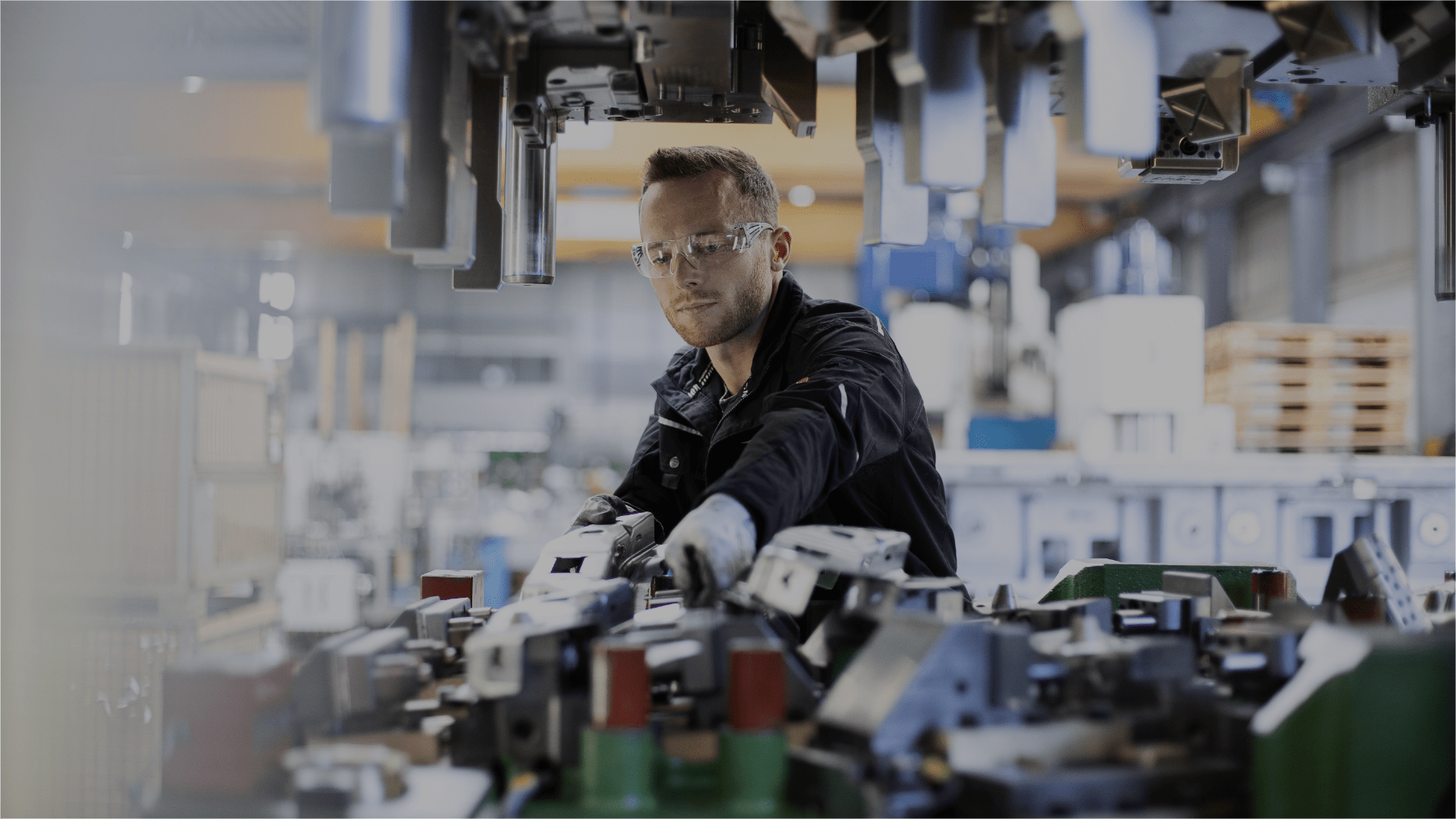
H&T Industrial is a established manufacturer of high-precision metal components, metal pressings and stamped parts. For over 45 years, the company has served to various industrial sectors, providing products tailored for high-volume markets.

H&T ProduktionsTechnologie
H&T ProduktionsTechnologie has specialized in the development and construction of metal forming presses for over 50 years.

H&T Tool Design
H&T Tool Design serves as a highly specialized partner in tool components optimization and engineering of technological solutions. Here, in the largest training company within the H&T Group, the future success and continuous technical advancement are founded.

